
From flavor-first development to seasonal sourcing, Avram Salzmann shares how HelloFresh is reimagining plant-forward cooking for the modern home cook.
Avram Salzmann grew up in Alaska, where he spent seven years commercial fishing before moving through various professional kitchens. Those experiences shaped his approach to food, not just in how it’s cooked, but how it’s sourced, prepared, and shared.
With a B.A. in history from Yale, where he studied food inequities and justice, he’s focused on making good food more accessible and reducing waste across the system.
Now a Recipe Developer at HelloFresh, Avram brings that perspective into recipes designed to meet home cooks where they are while expanding what’s possible on their plates. We sat down with Avram to talk about the rise of plant-forward cooking and how those shifts are influencing the way HelloFresh builds recipes today.
The Starting Point: Flavor First
As more home cooks explore plant-forward meals, many are beginning to rethink what makes a dish feel satisfying.
For Avram and the culinary team, every dish starts in the same place. “Vegetarian and plant-forward dishes, like all dishes we develop, need to be delicious first and foremost.” Flavor sets the direction, with technique layered in gradually, often through familiar ingredients or formats that make new ideas feel accessible.
What Makes a Meal Feel Complete
That approach carries through to how satisfaction is built. A well-rounded meal depends on more than a single ingredient or category. Texture, aroma, seasoning, and presentation all contribute to how a dish is experienced. “We eat with all our senses!” Avram explains, pointing to the versatility of vegetables as a key part of that experience.
A single ingredient can take on entirely different characteristics depending on how it is prepared. Carrots, Avram notes, can be a crunchy addition when shredded and dressed in vinegar. Roasted whole, they develop a sweet, complex flavor and unique texture that changes from outside to core. And when pureed smooth, they can be turned into soup. As soon as you start mixing in classic starches like bread, pasta and rice, and whole grains, the possibilities become endless.
Expanding the Possibilities of the Plate
As interest in plant-forward cooking grows, the HelloFresh menu has expanded alongside it. A broader range of vegetables and pantry staples has opened the door to new combinations, bringing in ingredients like baby broccoli, beets, red curry paste, and vegan tzatziki.
These additions support a more flexible approach to cooking, allowing home cooks to explore new flavors and get creative while staying within a structure that feels intuitive.
For those newer to plant-forward meals, familiarity plays an important role as well. Ingredients like legumes and tofu offer both protein and recognizable textures, creating a foundation that makes it easier to build confidence.
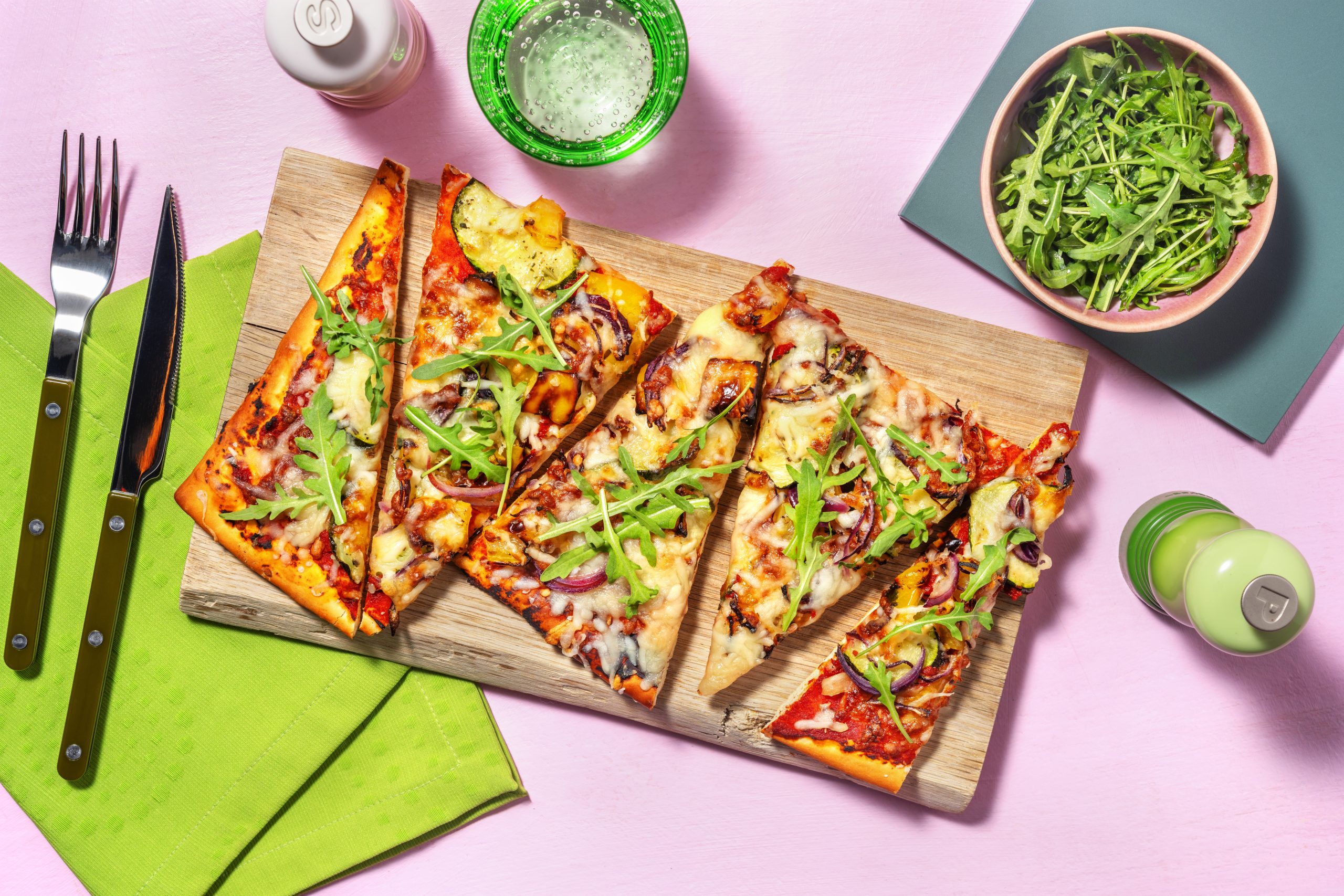
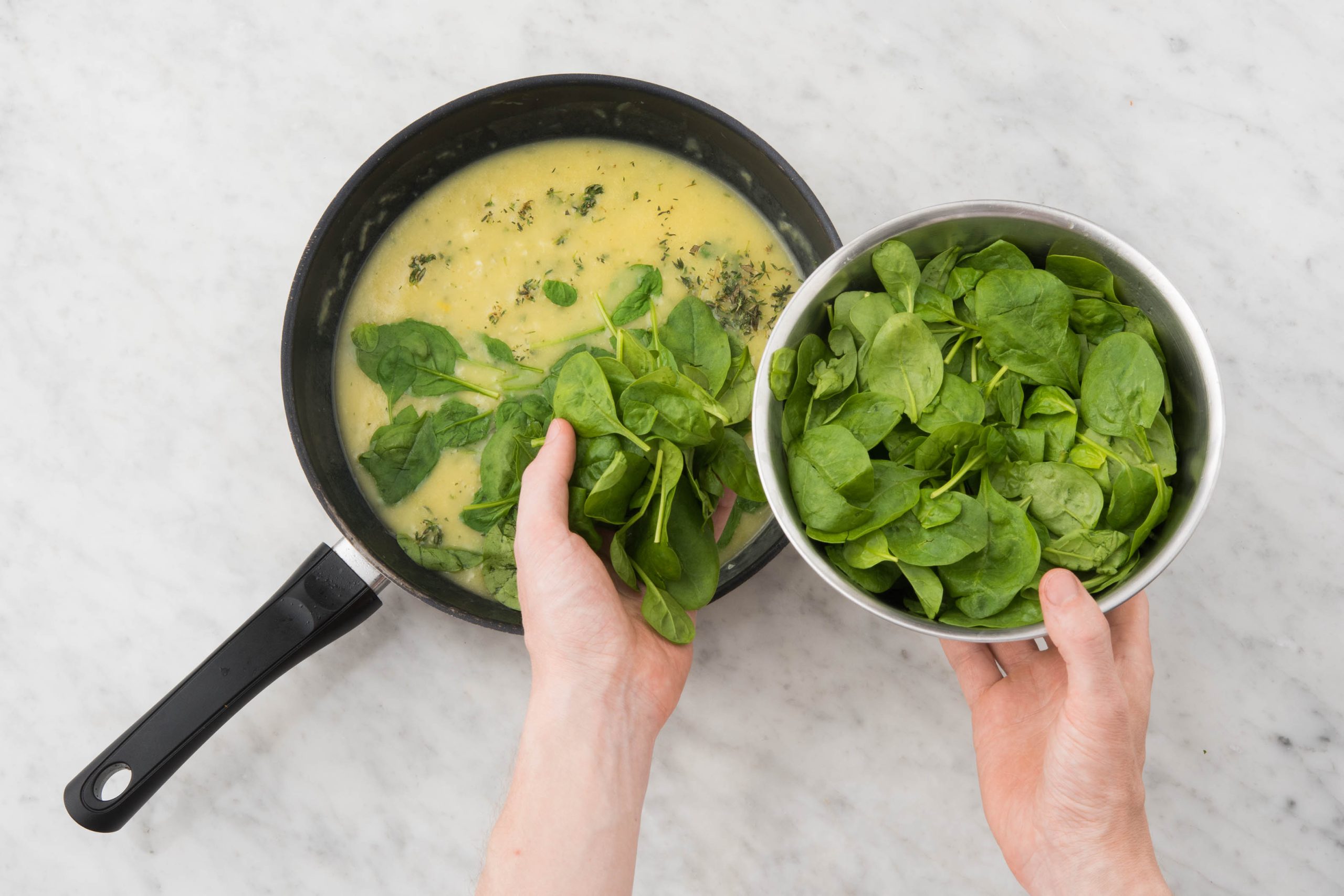
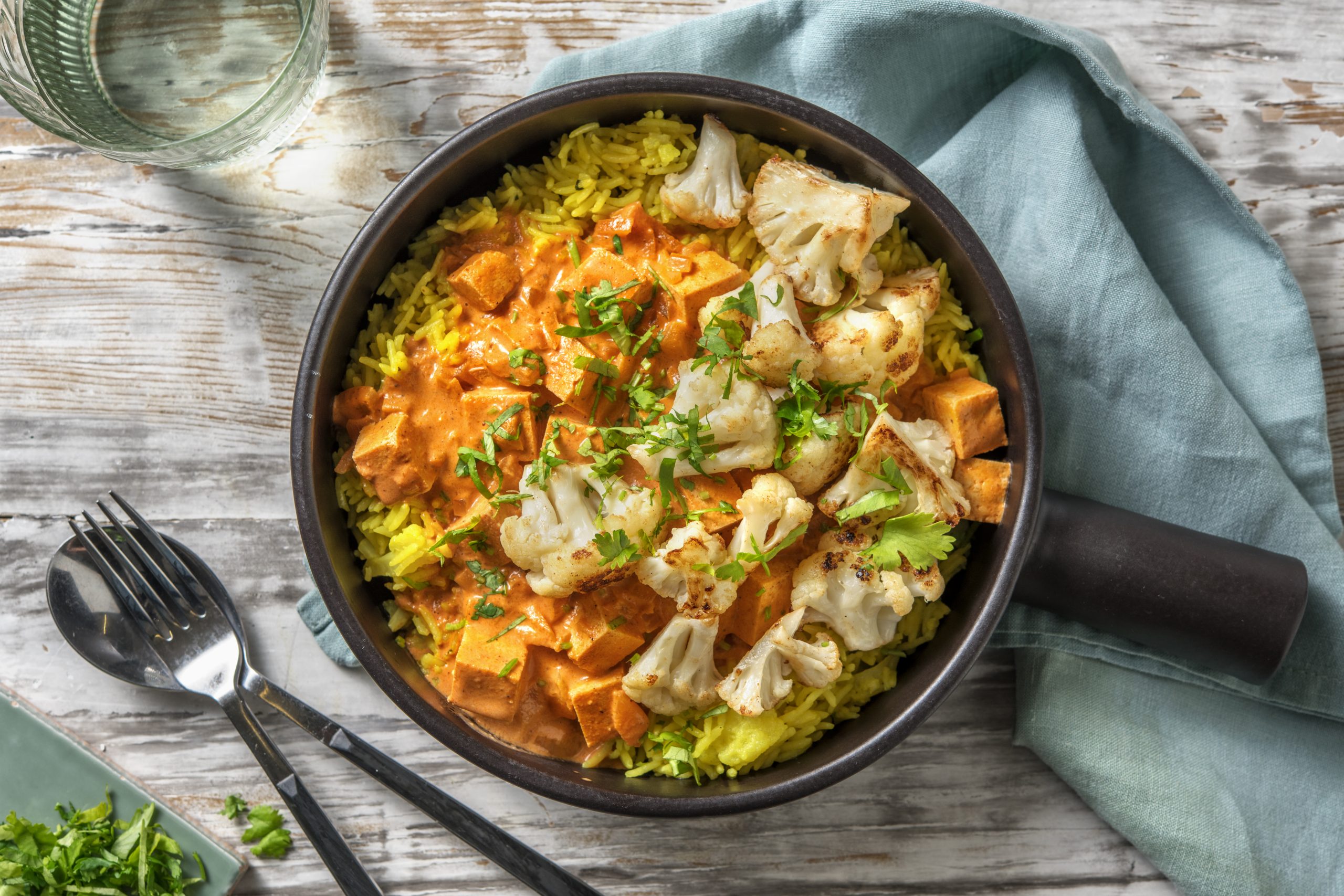
Rethinking Protein in Plant-Forward Meals
Protein remains a central question in that transition. Many people assume vegetarian meals fall short in providing the same level of satiety as meat-based dishes. In practice, that gap is often smaller than expected. “We are regularly able to achieve over 25g of protein in vegetarian meals here,” Avram shares, noting a growing focus on high-protein vegetarian recipes, many of which now exceed 30g per serving.
It’s also a reminder that protein doesn’t come from a single source. Whole grains, legumes, nuts, seeds, and vegetables all play a role in building wholesome meals.
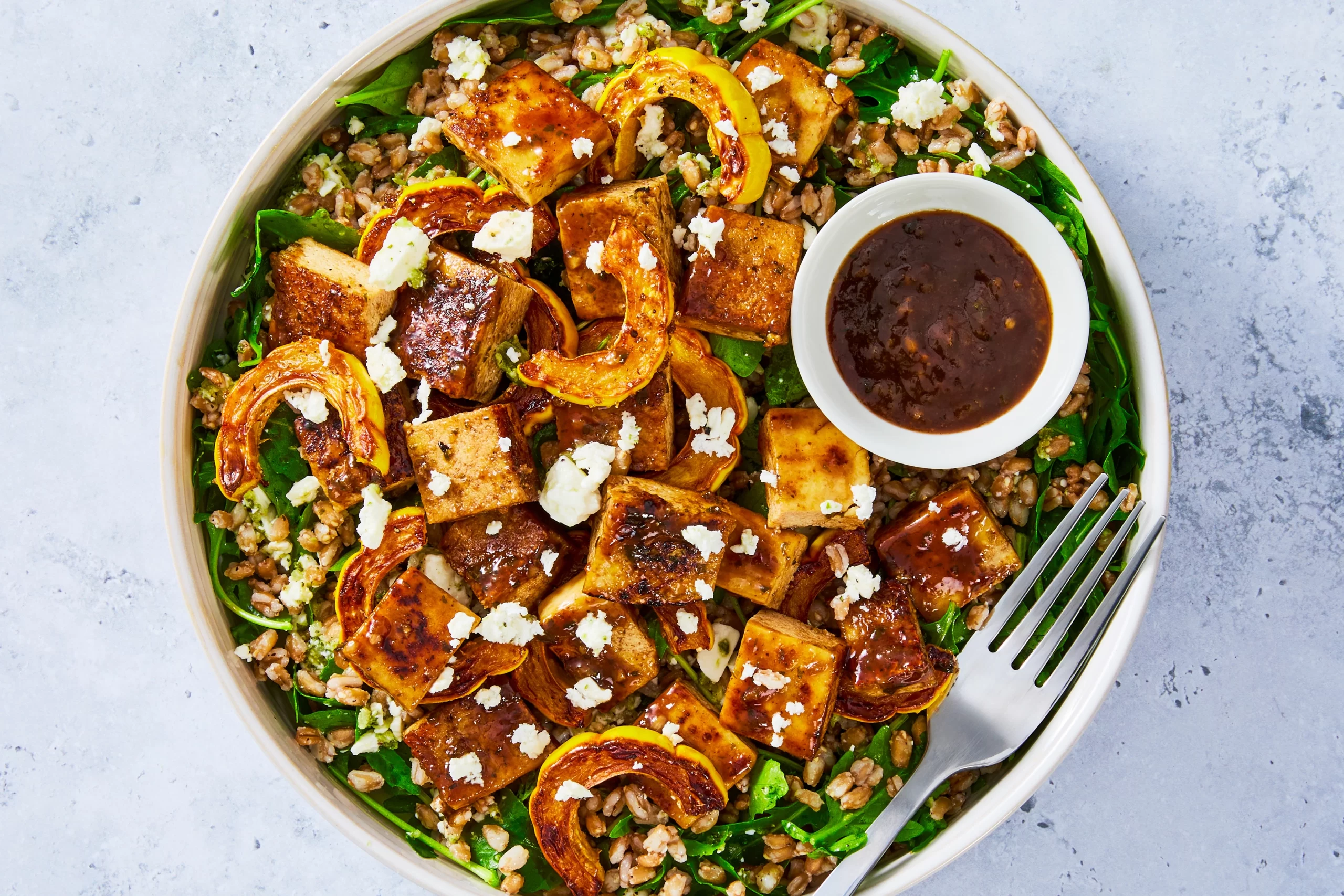
Plant-forward cooking starts with rethinking protein: whole grains, legumes, nuts, seeds, and vegetables all bring something to the plate.
Closer to the Source
Sustainability also shapes how Avram approaches ingredients. “Reducing consumption of animal products has a direct connection to a lower carbon footprint, more sustainable water usage, and healthier farmland.”
At the same time, there’s a more immediate connection that comes from working with whole ingredients. “Tracking a whole, unaltered carrot from ground to your cutting board is an exciting and rewarding experience.”
That connection, between source and preparation, reflects a larger shift in how people are returning to the kitchen. As plant-forward cooking becomes more familiar, it moves from occasional experiment to everyday habit. Meals come together with intention, balancing flavor, nutrition, and ease in ways that fit naturally into daily routines, as seen in dishes like our Miso Honey Tofu Farro Bowls, which we offer when delicata squash is in season. Built with whole grains, leafy greens, and lots of flavor, Avram notes that this dish is a fantastic representation of sourcing and cooking with the seasons, which is a key pillar of plant-based cooking.
As Avram puts it, “as a home cook begins to develop more comfort with all the exciting ways veggies can be prepared, they may enjoy the ease with which their meal can check a lot of ‘clean, high protein, nutrient dense, and craveable’ boxes.”
Curious about cooking more plant-forward meals or learning more about sustainability in the kitchen? You can explore more stories and recipes on the HelloFresh blog.